








Education in Emergencies: Providing Hope and Stability

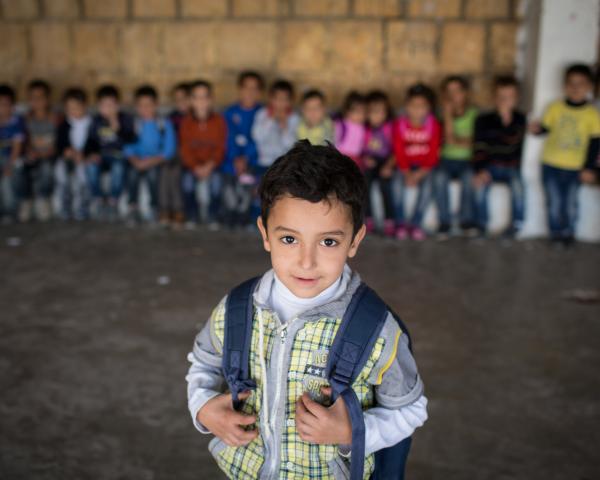
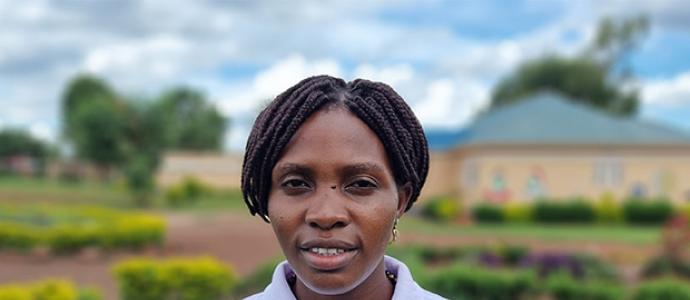
BRIGHTON, United Kingdom — Several organisations work to ensure people have access to education in emergencies, including Education Above All, The Galilee Foundation and United Nations Children’s Fund (UNICEF). While it is easy to understand why charities focus on providing food, water and shelter during emergencies, education also serves an important purpose. Doaa Mohaisen, Education Specialist at Education Above All Foundation, told The Borgen Project that education during emergencies is not only about keeping children learning but also provides a critical source of protection, stability and hope. She said continued access to education helps restore a sense of normalcy, supports psychosocial well-being and keeps children connected to trusted adults, peers and safe learning spaces.
Providing education in emergencies also helps to mitigate long-term impacts that being out of school can have on children. Mohaisen outlined some of these impacts, including learning loss, early marriage, child labour, exploitation and permanent dropout. She described education as both an immediate humanitarian response and a long-term investment in children’s futures.
Education Above All
Education Above All helps keep people in education by providing mental health support, recreational activities, university scholarships, hygiene kits, youth initiatives and meals for those who have been displaced. Alongside its partners, Education Above All has helped almost 15 million children who were out of school and provided more than 11,000 scholarships.
Mohaisen said the organisation’s education in emergencies work aims to help children continue learning in ways that are safe, flexible and responsive to their circumstances. This includes formal, nonformal, digital, radio-based and community-based approaches, depending on the context. For example, in Palestine, it supported Youm Jadeed, a series that provides curriculum-aligned learning and well-being content through radio and digital platforms, helping children access structured educational content when schools and learning spaces are disrupted.
In Palestine, the organisation has also supported the Hope for Tomorrow project, and in Lebanon, it worked with Teach For Lebanon and Lebanese Alternative Learning to keep children engaged in learning.
Mohaisen said equity and inclusion are central to the organisation’s approach. For girls, this can include safe and accessible learning spaces, flexible schedules, community engagement and attention to protection risks. For children with disabilities, accessibility requires adapting learning materials, supporting teachers and facilitators, engaging caregivers and ensuring delivery models meet different learning needs.
The Galilee Foundation
The Galilee Foundation helps provide educational opportunities to people in Palestine through a scholarship program, educational initiatives and cultural initiatives.
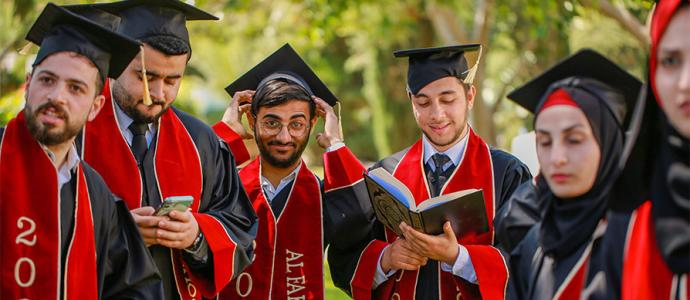
The foundation’s scholarship program aims to give Palestinians access to higher education. Annually, it helps 250 students through financial and academic support and cultural activities. Since 2007, it has provided more than 1,100 students with training and cultural activities.
The scholarship program requires students to participate in workshops supporting time management, critical thinking and career preparation, and students also volunteer with local civil society organisations. The program in the occupied territories is currently supporting 16 students from the West Bank attending Al-Quds University through a partnership that provides financial aid.
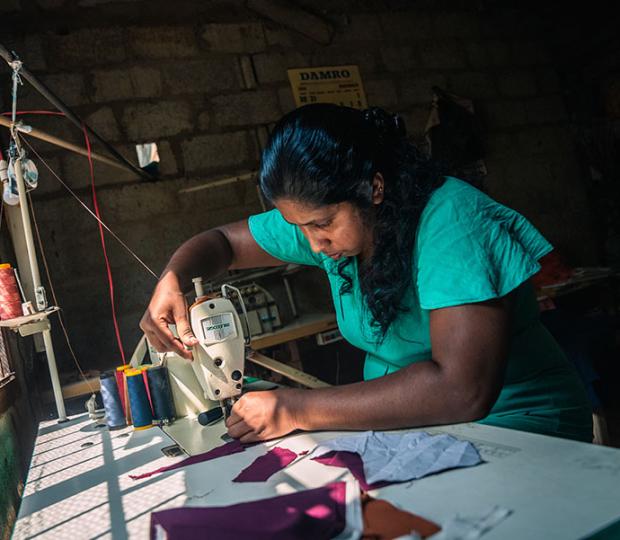
The organisation also partners with the Yaffa Youth Movement Association to provide Psychometric training, support and vocational skills, helping Palestinian students prepare for the Psychometric Entrance Test required for higher education in Israel. It has partnered with Mada Al-Carmel to provide initiatives for PhD students, including seminars, workshops and an annual academic conference where Palestinian students can share research and build connections.
It also works with Challenge To Change and Adalah to provide entrepreneurial skills and promote social participation.
UNICEF
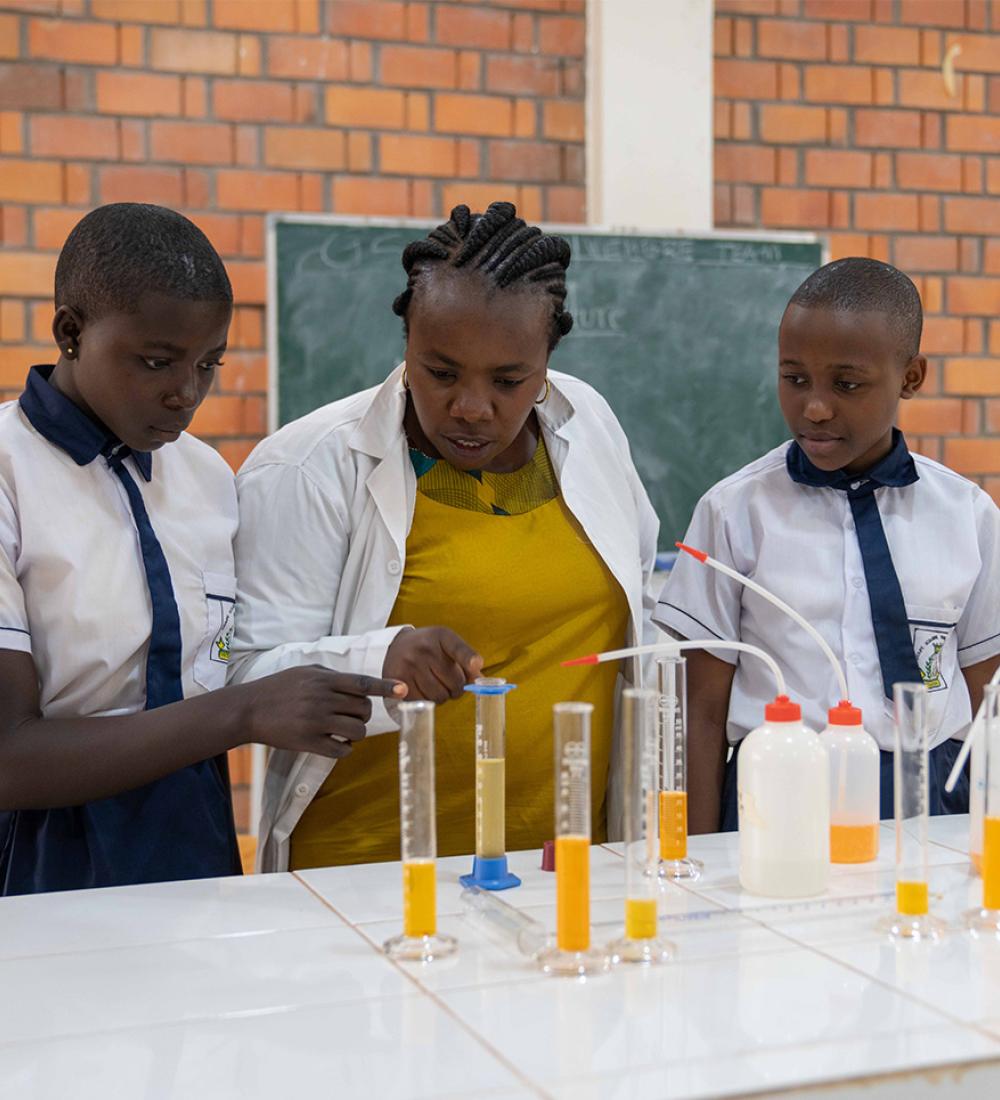
UNICEF helps promote education in emergencies by helping children develop skills to cope with trauma, providing learning spaces, training teachers, supplying school materials and supporting governments in incorporating education into their emergency response.
In 2024 alone, UNICEF provided 2 million children with supplies to continue their education in emergencies. During emergencies, it provides School-in-a-box kits and temporary classrooms. It also encourages mental health and psychosocial support to be integrated into education, helping children manage trauma while continuing to attend school. Beyond emergencies, UNICEF’s work spans 142 countries and has helped more than 15 million children access essential learning materials. It works with nearly three-quarters of countries to ensure schools are safe and accessible, with a focus on ensuring girls and children with disabilities can also participate.
Looking Ahead
Providing education in emergencies can face disruptions due to conflict escalations or climate disasters. Mohaisen said the organisation’s approach has become increasingly focused on flexibility, adaptability and rapid response. She noted that in emergency contexts, education models must be able to continue even when schools are closed, movement is restricted, infrastructure is damaged or families are displaced — shifting quickly across delivery channels including radio, digital platforms, community learning spaces, printed materials and caregiver-supported learning.
Mohaisen said the most effective way to support this work is by recognising education as a lifesaving and essential part of humanitarian response, not something that comes after food, shelter or health care. Continued advocacy, she said, is important to ensure education remains prioritised and funded during crises.
Disclaimer: The authors first published this blog on the Borgen Magazine website. Click here to read the original post.
Ryan Cowen
Ryan is based in Brighton, UK and focuses on Good News and Politics for The Borgen Project.