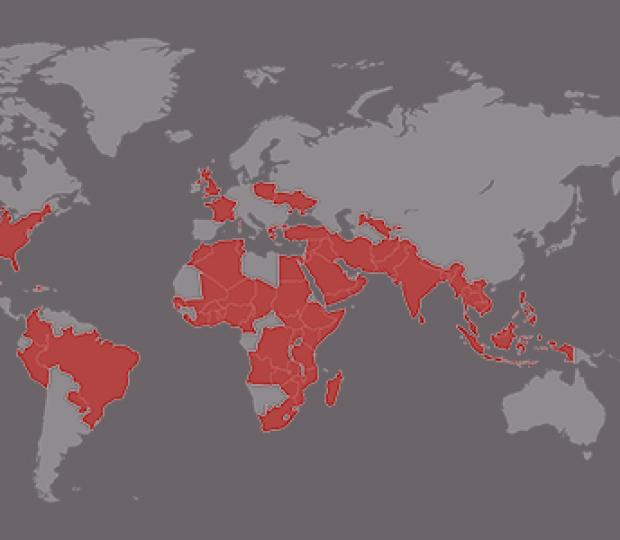
Disclaimer: This map is provided to facilitate the general location of the EAA supported projects. EAA does not have an official position regarding boundaries of or
disputed boundaries between countries.
Access Is Not Enough: Why Higher Education Must Be Inclusive by Design for Student Success
By Dr. Amir Dhia and Dr. Abdulnassir Al-Tamimi
As global conflicts, economic inequalities, and displacement continue to reshape the educational landscape, higher education institutions face a pressing question: Is providing access to university enough for student success?
For decades, scholarships have been viewed as the primary solution to expanding educational opportunity. They remain a powerful tool, opening doors for talented students who might otherwise be excluded from higher education. Yet evidence from experience increasingly shows that access alone does not guarantee success. Students who overcome financial barriers often continue to face other challenges, such as housing, well-being, belonging, and career development. If institutions are keen on creating equitable pathways to higher education, they must move beyond funding and adopt a more comprehensive, human-centered approach to student support.
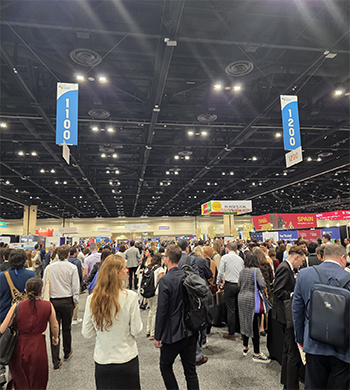
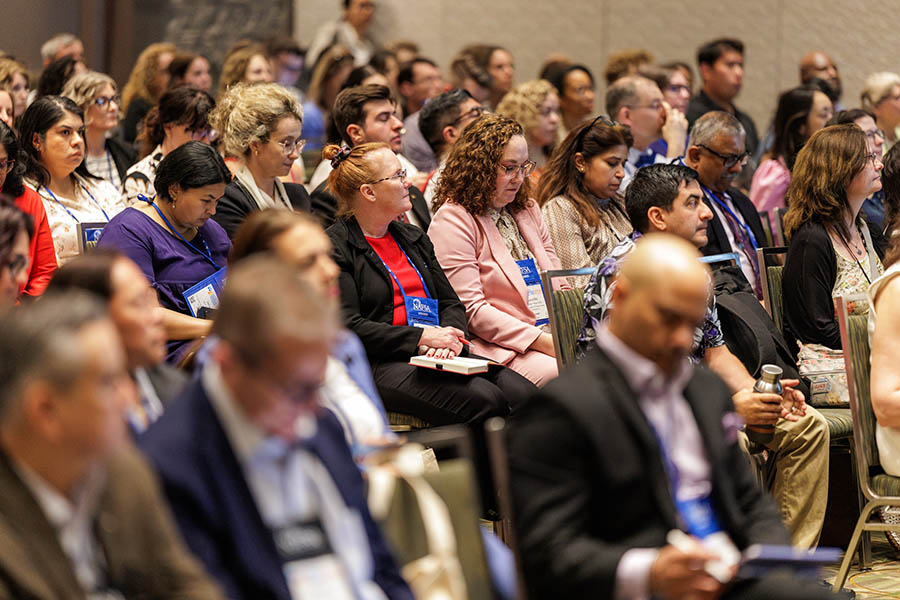
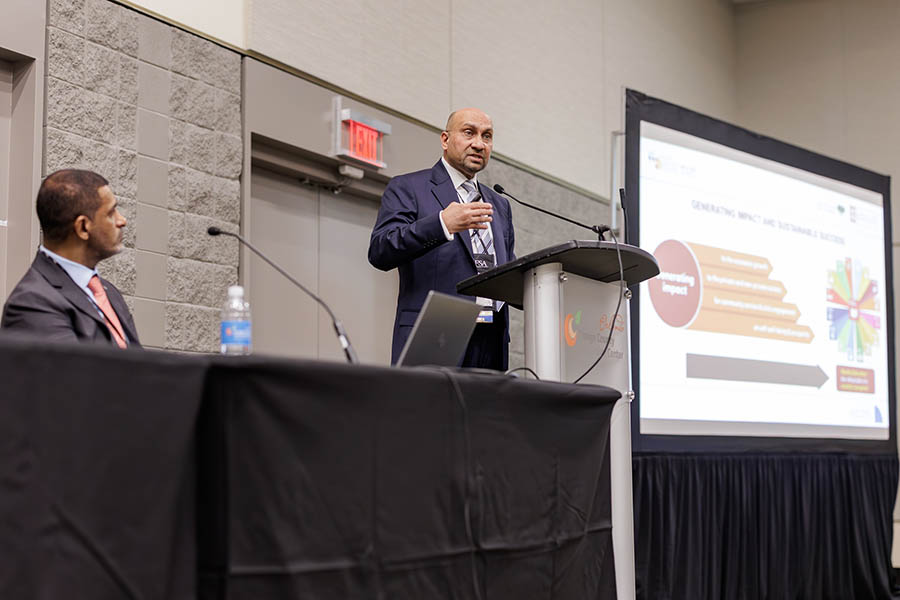
This message resonated strongly at the recent NAFSA 2026 Annual Conference in Orlando, Florida, where thousands of global higher education leaders gathered under the theme “Global by Design.” Among the many conversations about international education, one point stood out: inclusion must be intentionally designed into every stage of the student journey.
During the session, “Inclusive by Design: Scaling Scholarship Programs for Underserved Students,” the Education Above All (EAA) Foundation and Qatar Foundation Higher Education shared practical strategies for expanding educational opportunities for underserved populations. The discussion highlighted a reality that institutions around the world are increasingly recognising that scholarship programs are most effective when paired with robust support systems that enable students not only to enrol but also to thrive academically, personally, and professionally.
Closing the Gap Between Access and Achievement
The challenge is particularly relevant today. Around the world, millions of young people face barriers to education due to poverty, conflict, displacement, or limited access to quality learning opportunities. While scholarship programs help address financial constraints, they often fail to account for the broader ecosystem of support required for student success. The result is a gap between access and achievement. Bridging that gap requires a different way of thinking about higher education systems.
One model attracting growing international attention is Qatar Foundation’s Multiversity Model. This unique ecosystem in Education City brings together Hamad Bin Khalifa University and other internationally recognised partner universities within a shared academic environment, creating opportunities that extend beyond the limits of any single institution. The model recognises that student success depends on more than classroom learning. Students benefit not only from world-class academic programs but also from shared facilities, collaborative learning experiences, and integrated student services.
The Multiversity Model: Inclusion by Design
For many international, underserved, and displaced students, arriving at a university can be an overwhelming experience. Financial pressures, cultural adjustment, social isolation, and uncertainty about the future can significantly affect academic performance and well-being. Addressing these challenges requires institutions to create environments where students feel supported, valued, and connected.
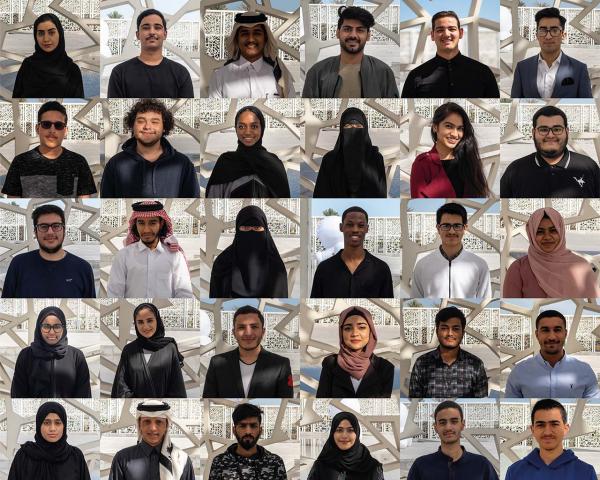
At Education City, which has hosted more than fifty EAA Qatar Scholarship recipients, this support begins with practical necessities and extends much further. Financial assistance, student housing, meal support, counselling and wellness services, and community engagement programs work together to create a foundation for student success. These services are not treated as optional extras; they are recognised as essential components of educational equity.
This holistic concept also extends to increasing students’ workforce readiness, which cannot be reduced to a single semester or a simple final-year workshop or internship. Such support includes work-study opportunities, experiential learning placements, career services, leadership development, volunteer initiatives, and alumni engagements. These programs complement academic qualifications and help students build confidence and professional networks that improve long-term outcomes.
Educational Equity in Times of Crisis
The importance of this all-inclusive approach becomes even more evident during times of crisis.In recent years, conflicts in Afghanistan, Palestine, Sudan and Yemen have disrupted the lives and educational journeys of thousands of students. Universities around the world have struggled to determine how best to respond. Yet these situations demonstrate why higher education institutions must think beyond traditional academic responsibilities.
For example, Education City students affected by the conflicts in Gaza and Sudan who were unable to return home safely received support that extended beyond the academic calendar. During periods when university residences were closed, these students were allowed to remain in campus housing, ensuring they had a safe and stable environment amid extraordinary uncertainty. Room and board costs were covered.
These examples highlight an important principle: inclusion is ultimately about dignity as much as it is about opportunity.
Supporting Students Beyond the Classroom
As institutions seek to expand access and internationalise their campuses and education, higher education leaders must resist the temptation to view scholarships as stand-alone interventions. Financial support remains critical, but it is only one component of a much larger equation.
Creating truly inclusive higher education systems requires investment in comprehensive student support structures. It requires policies that prioritise belonging alongside enrollment. It requires partnerships between universities, governments, philanthropies, and international organisations. Most importantly, it requires a commitment to designing systems that account for the diverse realities students bring.
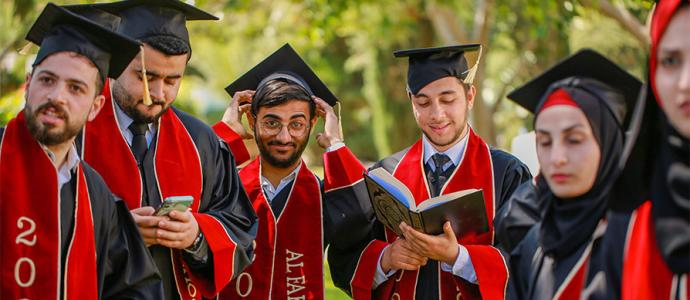
The conversations at NAFSA 2026 underscored that the future of higher education will not be defined solely by who gains access to a university. It will be defined by who succeeds and how, once they have access. For policymakers, scholarship providers, and university leaders, the call to action is straightforward: move beyond access and design for success. Higher education should be more than a degree—it must be a pathway to personal growth, resilience, empowerment, and social mobility.
That is the difference between providing education and transforming lives.
Disclaimer: The authors first published this blog on the Al-Fanar Media website. Click here to read the original post.
Amir Dhia
Dr. Amir Dhia is the Higher Education Manager at the Education Above All (EAA) Foundation. He is actively engaged in the higher and tertiary education scholarship programs and alumni of 12,000+ marginalized and conflict-affected youth from 40+ nationalities in 75+ leading higher education institutions across 14+ countries.
Amir is a senior executive leader with over twenty-five years of international experiences, including Dean, Director General, and Advisor—spanning the private, public, non-governmental, and state sectors. He has contributed to the development of institutions, partnerships and initiatives that bridge academia, industry, and international organizations.
Dr. Dhia holds a summa cum laude PhD specializing in the Knowledge Society and Diplomacy, combined with a number of professional designations. He continues to publish and speak globally on education diplomacy, leadership, and development—emphasizing the impact of education at large as a driver of inclusion, global citizenship and sustainable progress worldwide.
Abdulnassir Al-Tamimi
Dr. Abdulnassir Al-Tamimi joined Qatar Foundation in February 2023 as Executive Director of Student Services. Prior to this, he served as the founding Dean of the College of Education and Arts at Lusail University in Qatar from August 2020 to February 2023. He also served as Vice President and Head of School at DeBakey High School for Health Professions-Qatar from August 2018 to August 2020.
Earlier in his career, Dr. Al-Tamimi was selected by Houston Community College to join the founding leadership team that helped establish the Community College of Qatar. From June 2010 to August 2018, he served at CCQ as founding Associate Dean of Student Services and Associate Dean of Workforce Education and Community Development.
Dr. Al-Tamimi began his professional journey at Lone Star College System in Houston, Texas, as an Academic Advisor and International Student Services Coordinator. He later held several leadership roles there, including Dean of Educational Programs and Organizational Development, Dean of Instructional and Organizational Development, Dean of New Program Development, Corporate Training and Continuing Education, and Manager of Continuing Education.
Throughout his career, Dr. Al-Tamimi has been committed to advancing student success through innovative student affairs models and holistic support services. His work emphasizes academic advising, counseling, wellness, leadership development, experiential learning, and programs that strengthen students’ academic, social, emotional, and professional growth. He is especially passionate about helping young people develop essential life skills such as resilience, problem-solving, communication, time management, and intercultural competence.
Dr. Al-Tamimi holds a Bachelor of Science in Health Administration from Texas Southern University, a Master of Arts in Cross-Cultural Studies from the University of Houston-Clear Lake, and a Doctor of Education in Higher Education Administration from the University of Texas at Austin.
"Humanity will not overcome the immense challenges we face unless we ensure that children get the quality education that equips them to play their part in the modern world." -- HH Sheikha Moza bint Nasser












 September 28, 2026

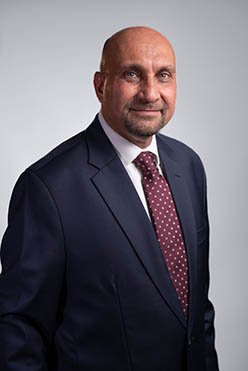 Dr. Amir Dhia is the Higher Education Manager at the Education Above All (EAA) Foundation. He is actively engaged in the higher and tertiary education scholarship programs and alumni of 12,000+ marginalized and conflict-affected youth from 40+ nationalities in 75+ leading higher education institutions across 14+ countries.
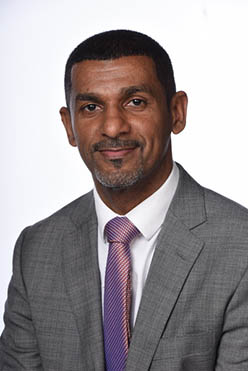 Dr. Abdulnassir Al-Tamimi joined Qatar Foundation in February 2023 as Executive Director of Student Services. Prior to this, he served as the founding Dean of the College of Education and Arts at Lusail University in Qatar from August 2020 to February 2023. He also served as Vice President and Head of School at DeBakey High School for Health Professions-Qatar from August 2018 to August 2020.