








Building Lasting Peace Through Safe and Quality Education in Colombia

Colombia stands at a rare and hard-earned moment in its history. Years of commitment to peacebuilding and inclusion have positioned the country as a global reference point for how societies can move forward after conflict. Yet progress cannot endure without education. Education must be protected, strengthened and accessible for every child and youth.
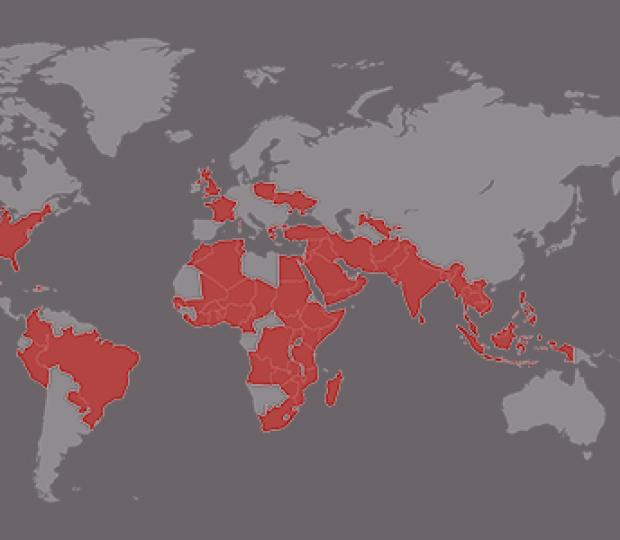
Sustaining this progress calls for strong national leadership, community engagement and international partnerships. At the Education Above All (EAA) Foundation, we work across the world, with a footprint in 77 countries, to protect education from attack, support children’s access to quality education, and help young people build pathways towards opportunity and a better future. In Colombia, EAA Foundation works in partnership with Fundación Pies Descalzos to support access to quality primary education for out of school children (OOSC) and those at risk of dropping out. We know that when children can safely access and continue quality education, the benefits can extend far beyond the classroom. Our work in Colombia, with international and Colombian partners, has focused on strengthening law, equitable education access, and data. These are the foundations for our ability to ensure that out of school children can access and remain in quality education, while supporting more inclusive responses for children affected by conflict and fragility. Earlier this week, we were honored to receive theimon Bolivar Order of Democracy-Grand Cross Award by the Congress of the Republic of Colombia, this recognition truly belongs to the people and especially the children of Colombia.
Education can be central to resilience, reconciliation, social cohesion and stability. Yet serious challenges remain. In rural and border regions, attacks on education, insecurity, displacement, and armed violence continue to disrupt children’s education. Colombia has recorded more attacks on teachers than any other country in the Western Hemisphere. These attacks affect more than school buildings; they disrupt communities, exacerbate exclusion, and place children at greater risk. This is why Colombia’s commitment to the Safe Schools Declaration is so significant. The next step lies in translating this commitment into stronger implementation at the local level, particularly in communities where risks are most acute.
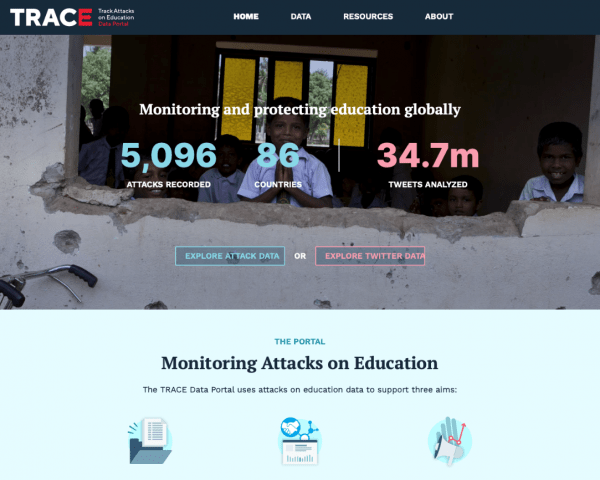
Through collaboration with Colombian and international partners, we have supported efforts to strengthen data collection and evidence on attacks on education, improve understanding of how conflict affects learners and teachers, and advance law and policy responses designed to protect schools as safe spaces. Reliable evidence is essential to understanding both the scale of attacks and their long-term impact on children, education systems and communities. EAA Foundation’s work with Kobo has confirmed data on TRACE that thousands of students and teachers in Colombia continue to be affected by attacks on education, including attacks on teachers, armed occupation of schools and forced recruitment of children, which in turn has a ripple effect of disruption of schooling and communities. Working with the Global Coalition to Protect Education from Attack and Special Jurisdiction for Peace (JEP), we have worked to strengthen law and policy so that there can be protection of education from attack and justice for victims.
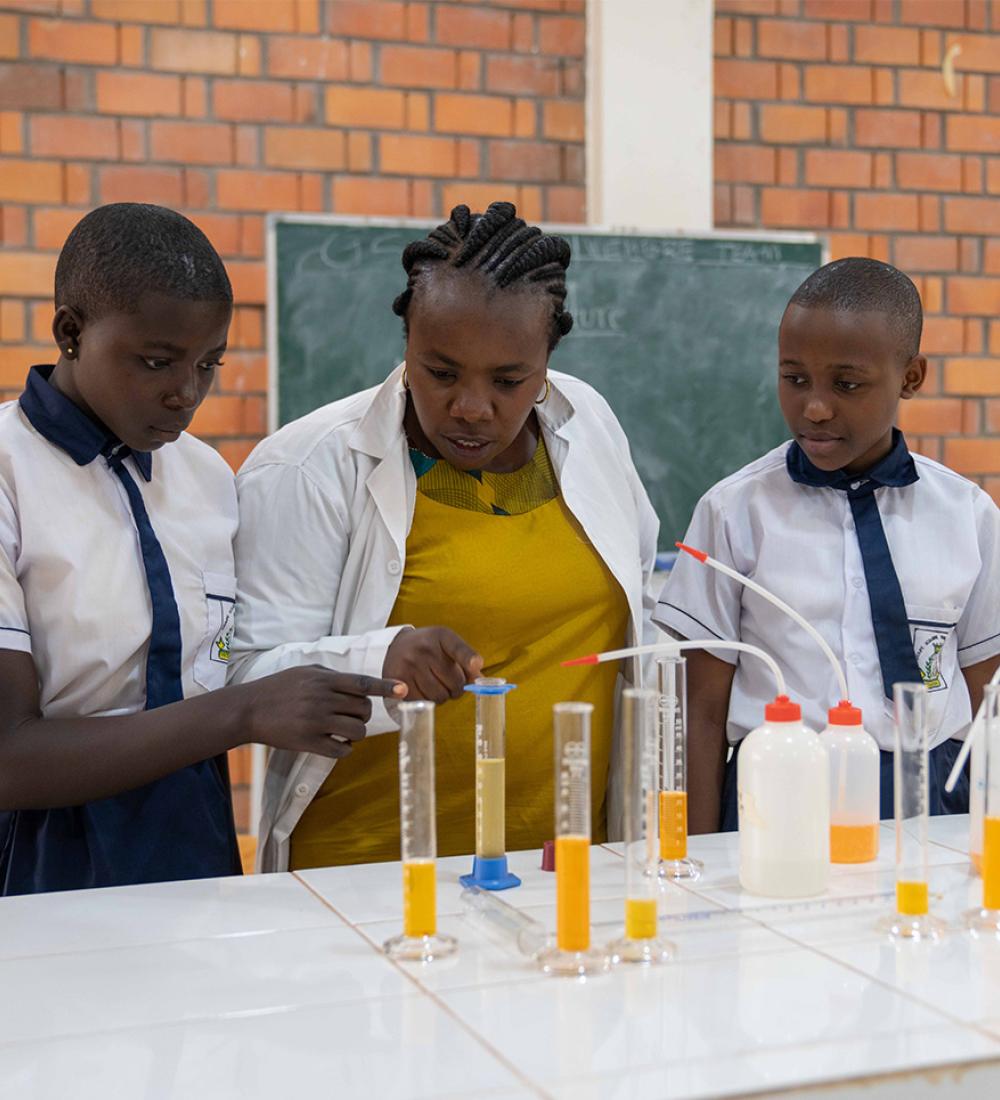
At the same time, protecting education must include ensuring access to quality education for all. Many children in Colombia remain excluded or at risk of dropping out of school due to barriers to education, including poverty, displacement, insecurity, disability, or challenging geographies. Reaching those children requires targeted approaches and sustained support, particularly in rural communities and for migrant and refugee children, indigenous and Afro-Colombian populations, and children with disabilities.
Colombia’s experience demonstrates what is possible when education remains a national priority, even in the face of conflict.
Protecting schools, teachers and learners must therefore remain a shared national and global responsibility. This requires stronger implementation of protections for education, sustained investment in inclusive and equitable learning opportunities, and continued partnerships between governments, communities and international actors.
Disclaimer: The authors first published this blog on the El Espectador website. Click here to read the original post.