








Where I Belong

By Emmanuel Chifamba and Patience Rusare
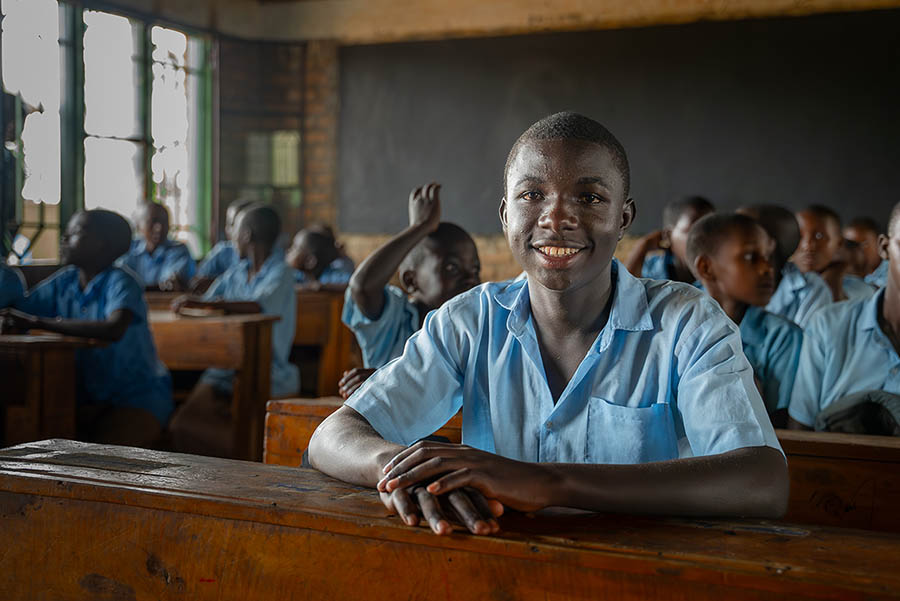
“I have always dreamed of becoming an international driver,” Dylane says. “One day, I want to travel across different countries and do business.”
Dylane is 16 years old. He loves playing football with his friends and enjoys being in class. But in 2023, when he was in Primary 4, school suddenly became out of reach.
Education in Rwanda is free, yet for Dylane’s family, the hidden costs of uniforms, books, pens, and even food were still too high. Gradually, he was forced out of education.
“It became too difficult,” Dylane says quietly. “So I stopped going to school.”
He spent his days on the streets of Bugesera, begging for food and anything he could find to survive. Some days were especially harsh. He was beaten, harassed, and at times detained. Watching other children go to school was painful, reminding him daily of what he had lost. At home, the situation offered no relief; life there was even harder.
Dylane is the first-born of five children. His father does not provide support, leaving his mother, who is just 30 years old, to raise five children alone.
“I used to feel ashamed,” his mother says. “Seeing my child on the streets when he should have been learning in school.”
Finding the children who are missing
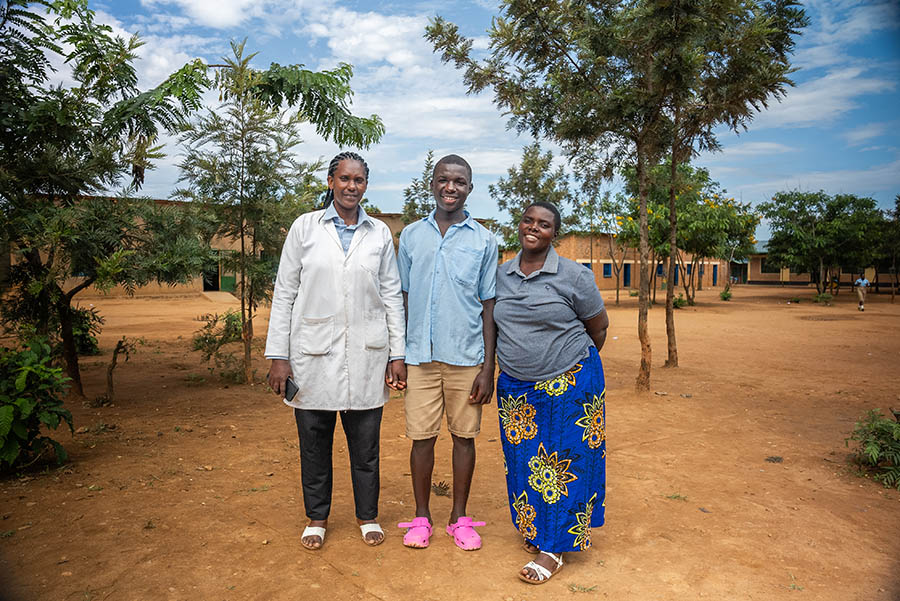
Dylane’s return to school began when a teacher trained through the Zero Out of School Children initiative saw him playing in the streets and recognised him as a former pupil.
She remembered that he had once been in her school. She went to his home, spoke with his mother, and listened to the challenges the family was facing.
“They told me that Dylane belongs in school,” his mother explains. “They explained that I would not have to worry about food or school supplies.”
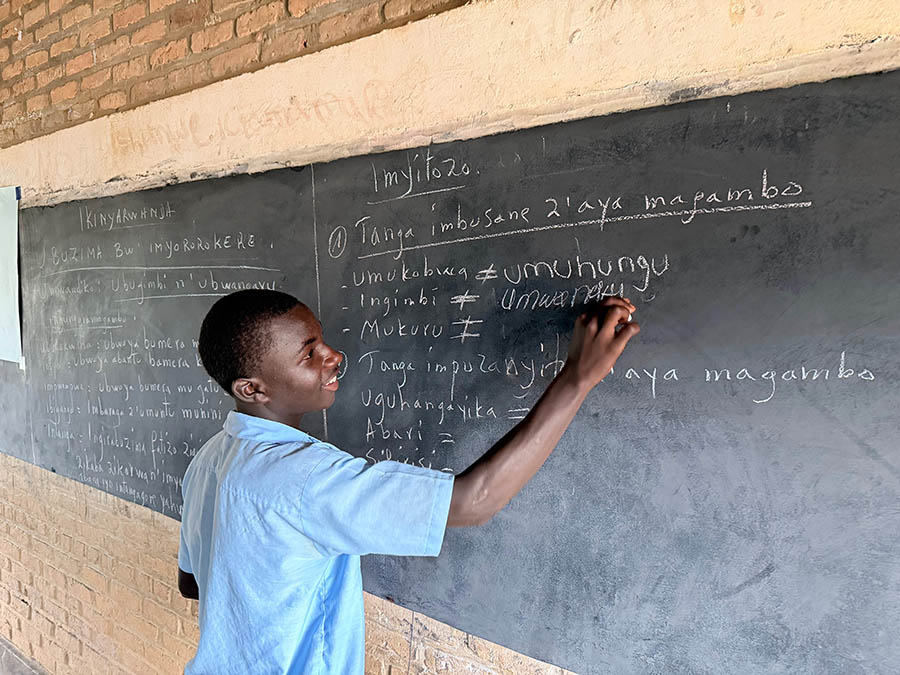
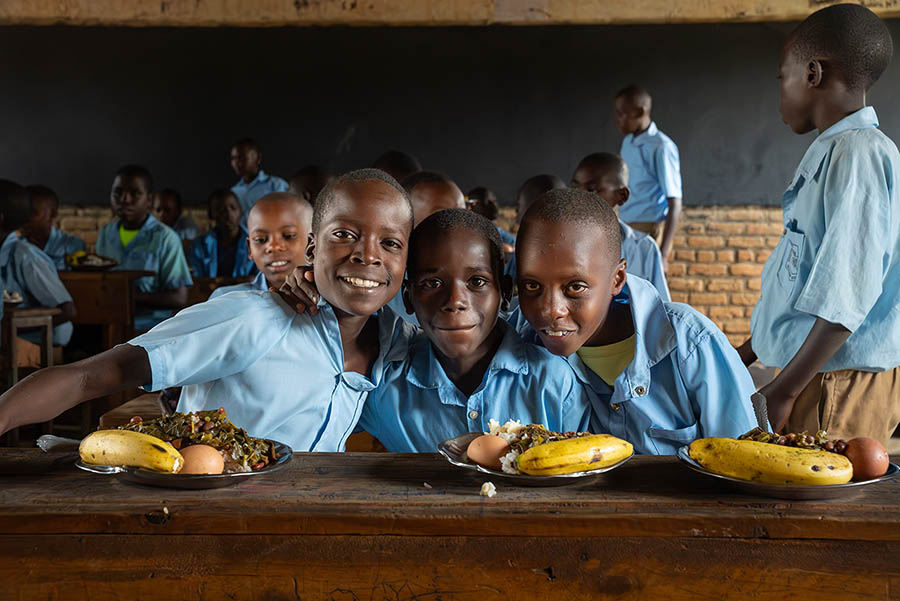
Through the initiative, Dylane received learning materials and joined the school feeding programme. When he returned to school in late 2024, he was welcomed and supported as he settled back into learning.
“The teachers were kind,” Dylane says. “They helped me start again.”
Keeping children in school
“This initiative is not just about bringing children back to school, but keeping them there,” says Jo Musonda, Country Director of Save the Children, Rwanda and Burundi. “Education is the foundation for opportunity and national development. When children stay in school, everyone benefits. The child, the family, and the country.”
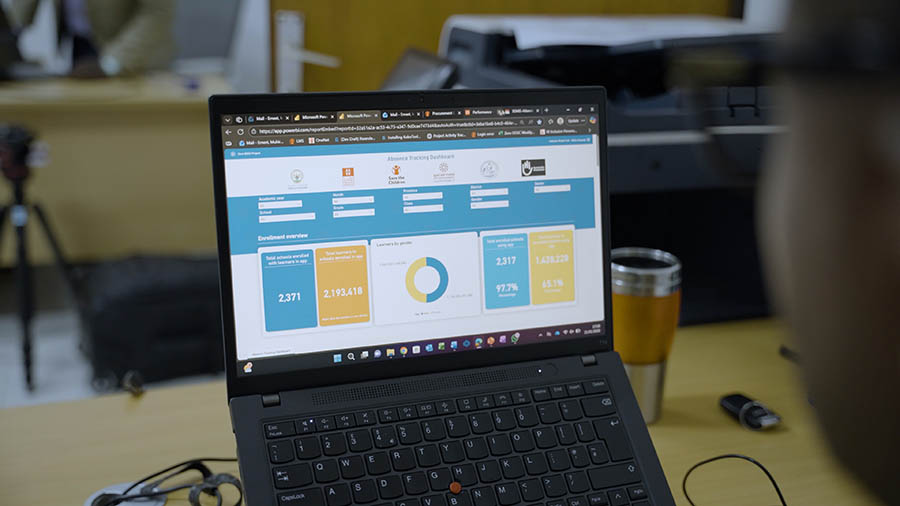
In Dylane’s school like other public and government aided schools, teachers use the Karame digital attendance tracking system to record attendance on their mobile phones. When a child is absent, teachers can note the reason and flag concerns early. This information is shared through a dashboard accessed by youth volunteers and district education teams. If a student misses school for three consecutive days, a notification will be sent to the parents, village leader and school leader, allowing families and schools to act quickly, often before a child drops out again.
“Attendance is no longer the responsibility of one teacher alone,” says Ndahayo, Paulin, Director of the Zero of Out of School Children Project in Rwanda. “Leadership, communities, and families can all see and act.”
This approach has helped the initiative achieve a 91 per cent retention rate, ensuring children are supported not only to return to school, but to stay and progress.
“I feel like people care if I am not there,” Dylane says. “They check on me.”
The ripple effect
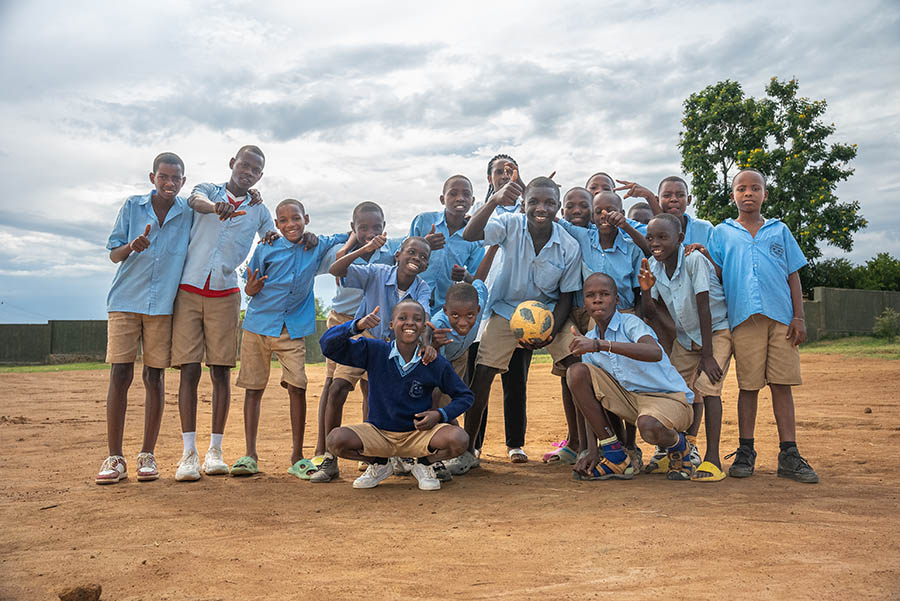
Dylane’s return to school also influenced others. He spoke to boys he knew from the streets and encouraged them to come back to school. One of them, Joshua, listened. Today, Joshua and his brother are both enrolled and attending school alongside Dylane.
Dylane is now the class leader. He participates actively in lessons, performs well and supports other learners. His confidence has grown.
A mother’s pride and a national commitment
At home, the change has been clear. “He tells me he wants to work hard and build me a house one day,” Dylane’s mother says. “Even if I die today, I would be happy with what Dylane has achieved.”
Dylane’s story reflects a strong national commitment to education. Hon. Claudette Irere, Minister of State for Education said that while Rwanda has achieved universal access to education, there are still some children still out of school.
“The Government of Rwanda continues to prioritise learning by building new classrooms, expanding school capacity, and training teachers. Alongside this investment, Rwanda has strengthened systems to identify children who are out of school, respond early to risk, and work with families to ensure that children access and remain in quality primary education.”
More than 15 per cent of the national budget is allocated to education, exceeding international benchmarks and reflecting Rwanda’s prioritisation of inclusive, quality education and long-term development.
Dylane’s journey is one story. It is also the story of more than 64,000 children who have returned to school or enrolled for the first time through the Zero Out of School Children initiative in Rwanda over the past two years.
In Rwanda, the initiative is led by the Ministry of Education in partnership with Save the Children and the Education Above All Foundation, with support from the Qatar Fund for Development. It aims to reach more than 177,000 out of school children
Building systems that leave no child behind
Achieving Zero requires sustained, country-led commitment, supported by strategic partnerships that strengthen education systems to remove barriers, establish routes back to school, and adapt continuously to reach and retain children who remain excluded.
Beyond Rwanda, Education Above All Foundation is working with a small number of countries that have made strong progress in expanding access to education, and are now focussed on reaching children who remain excluded, often those who face the most persistent barriers to education.
“Education Above All Foundation’s Zero Out of School Children approach is not about a number,” says Derek Langford, Senior Engagement Specialist, Education Above All Foundation. “It is about building flexible, responsive and resilient systems that can find children who are excluded, respond early, and support them to stay and learn.”
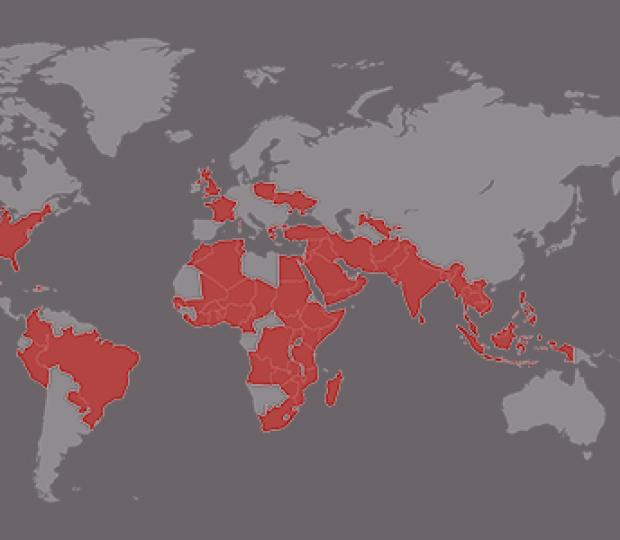
Across countries and zones including Rwanda, The Gambia, Djibouti, and Zanzibar in Tanzania, the approach demonstrates that when political will, community action, and sustained financing come together, education systems can continue to prevent exclusion, identify risks early, and adapt to ensure that children remain in education.
Patience Rusare
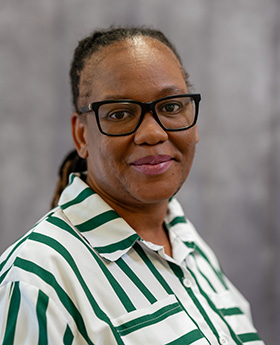 Patience Rusare is a Senior Media Specialist at the Education Above All Foundation, with over 15 years of experience in strategic communications. She specialises in journalism, media relations, and advocacy, and has worked across Africa, Asia, and the Middle East. Patience is passionate about amplifying the voices of marginalised communities and has dedicated her career to spotlighting issues of peace, education, and human rights through storytelling.
Emmanuel Chifamba
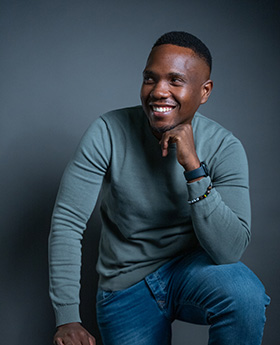 Emmanuel Chifamba is the Head of Digital at the Education Above All Foundation. With over nine years of experience in international development and digital advocacy, including roles at UNICEF and The Global Fund, he leverages social media to amplify youth voices, mobilise action, and position education as a fundamental right. Emmanuel is passionate about using creative digital content to shift narratives and support young people in telling their own stories and shaping their futures.