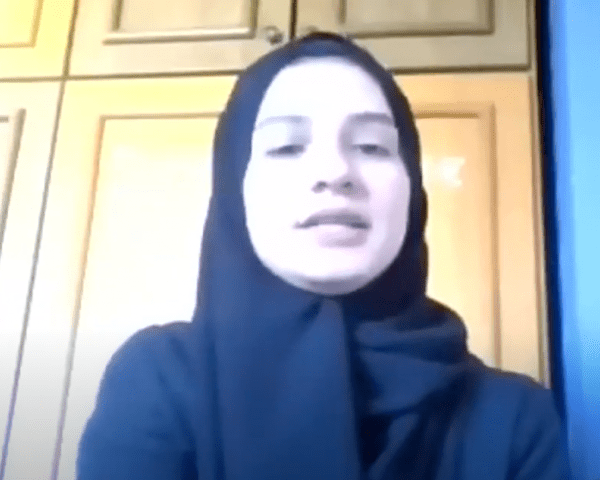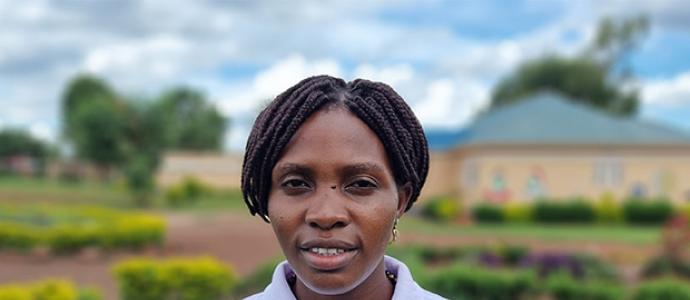









Asmaa Mustafa is an English Teacher and Education Supervisor supporting extracurricular activities at schools funded by Education Above All Foundation.

In Gaza, I Teach Children Who Have Lost Almost Everything. I Refuse to Let Them Lose Hope

By Asmaa Mustafa
The last time I saw Iman alive, she was selling bread. She had just finished one of our learning sessions and was trying to earn some money. When she saw me, her teacher, she hid, embarrassed. I walked towards her and insisted on buying some bread. I wanted her to know there was nothing to be ashamed of. I did not know then that it would be our last interaction.
A short while later, the street where she had gone to continue selling bread was bombed. I will never forget the blood on her braids or the bread scattered across the ground.
Iman was a child who should have been thinking about school, friends and her future. Instead, she was working to survive. Her death remains with me, as the loss of a student and a reminder of what war takes from children long before it takes their lives.
I continue teaching because of children like Iman. Because even in Gaza, where schools have been destroyed and families displaced, children still need someone to help them learn, to listen to them and to remind them that their lives are more than what has happened to them.
I am an English teacher and a mother of two daughters, and I have worked in education since graduating from the Islamic University in 2008. I became a teacher because, as a child, I dreamed of giving children the confidence to find their voices.
Before the war, my classroom was full of questions, laughter and energy. My students learned English through activities, conversations and group work. Through eTwinning, an international education programme, I connected them with learners in 55 countries through 460 online sessions.
I remember the small things from those ‘normal’ days. One of my students raising her hand eagerly, another searching for the right English word, a child proudly saying “welcome” to an international group, and the laughter that filled the room during an activity. At the time, these moments felt ordinary; I did not know how precious they were.
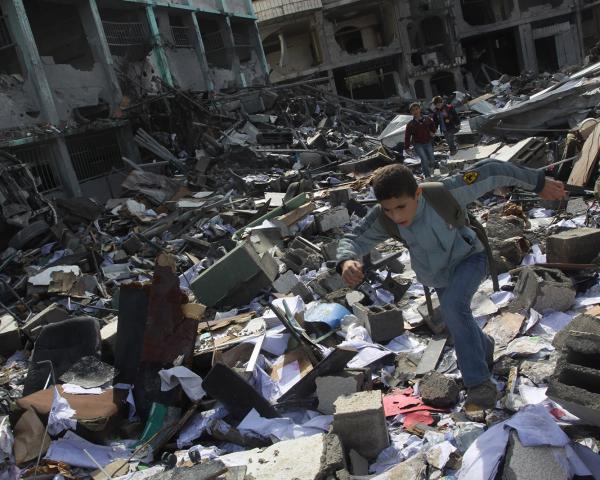
But soon everything changed. The question was no longer, “What will we learn today?” It became, “Where will we be today? Will we reach somewhere safe? Is there electricity? Is there Internet?” Children who once worried about homework and exams began talking about displacement, fear, lost homes and family members who were no longer there.
Over the past three years, I have repeatedly received news that one of my bright students has been killed. I grieve for each of them. Every child was an entire life.
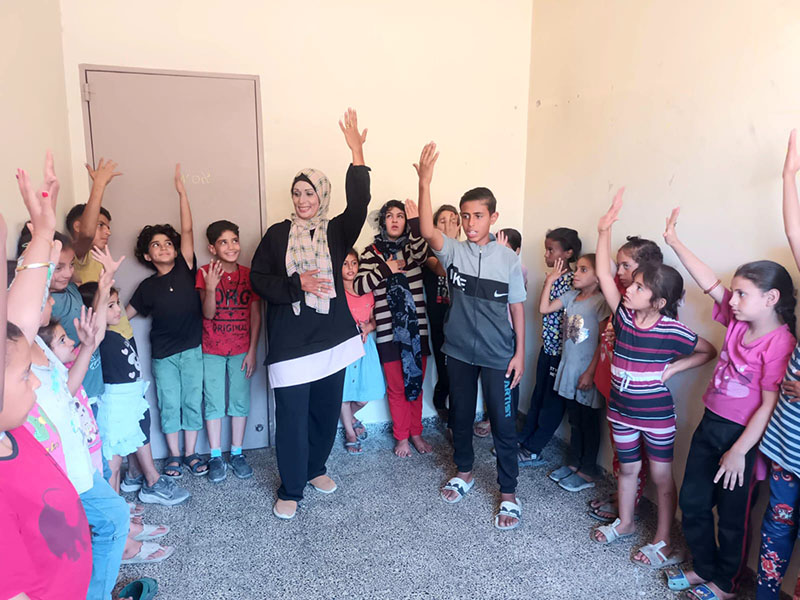
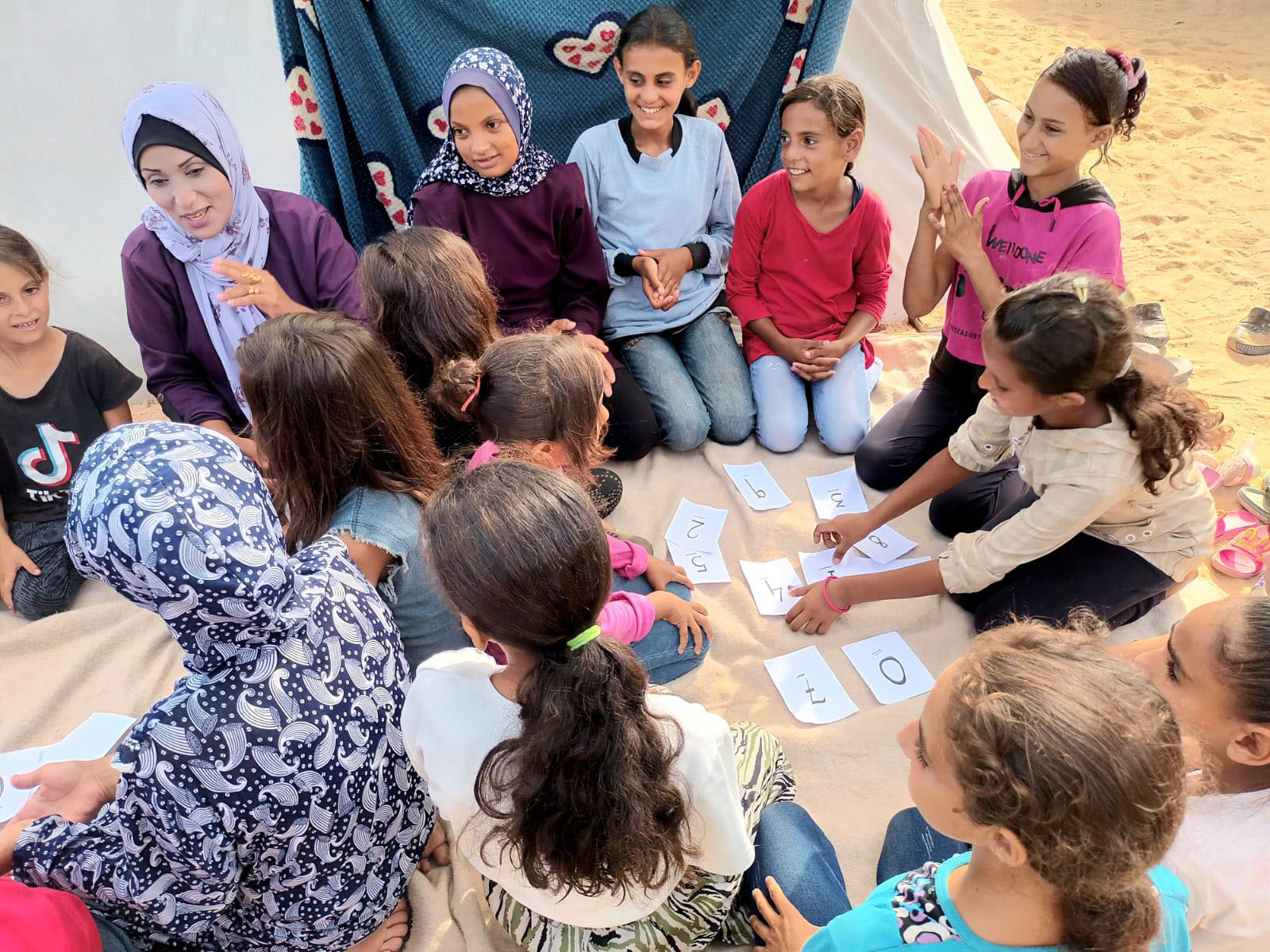
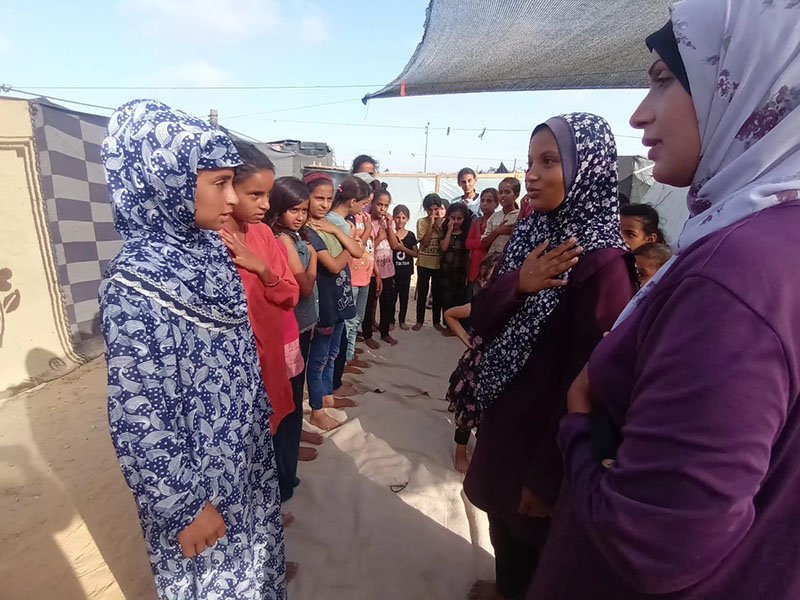
After the war began, I held my first learning session with children around me on 4 November 2023, and I have continued teaching ever since. There have been times when I believed the conditions made teaching impossible. But the children and their parents kept proving me wrong.
I remember sitting with children on the sand in the desert southwest of Rafah, near the Philadelphi Corridor. There were almost no educational resources but still, we tried to learn, draw, listen and participate. When a child smiled or raised her hand to answer a question, I remembered why I was there. Their laughter gave me the strength to stand up and continue.
The war has taught me that learning must continue even in the absence of formal education. We need education in stable times, but we need it more in conflict because it is what helps protect a child’s sense of routine, dignity and hope.
The children talk about the schools they have lost, the friends who are gone and the teachers they miss. They ask about lessons, exams, books and school supplies. They worry about whether they will return to school, complete their education or catch up with everything they have missed. They speak about safety, displacement and the loss of family members.
Some of these conversations are far too heavy for their age, but it is what has helped me go on, as I think and learn with them. When I am able to give them a convincing answer, I feel that my presence still has meaning. Despite everything these children have lost, they continue to find reasons to participate, ask questions and return. I think I learn more from them about resilience than I teach them.
This Teacher's Day, I want people outside Gaza to understand that teachers and students here are beyond numbers or stories of suffering. We are people trying to protect education, life and dignity under unbearable circumstances. My hope is to see Gaza’s children to return to safe schools. I want them to learn, play and dream without war deciding what their future will be.
Until that day comes, I will continue teaching the children around me for as long as I can.